A fascinating development at YouTube: The Reporters’ Center, where you can get tips on effective journalism from prominent reporters. The new YouTube channel went live today and is already offering some interesting how-to videos like the one above by reporter Nicholas Kristof of the New York Times. He shows you how to be careful when trying to interview war lords with big guns, how to hide your money, and how to always be a little skeptical and double-check witness accounts and stories that sound too good. Arianna Huffington of The Huffington Post has a video about the impact of citizen journalism best demonstrated by the recent uprising in Iran. During the past few weeks, the government of Iran tried to shut down the operations of journalists and restrict the use of internet and text messaging in order to suppress information about government violence against protesters. But they were not able to prevent people with cell phone cameras from making videos and sending them out of the country for the world to see. These people have also been reporting on the situation via Twitter to give real-time coverage of many events in Iran.
This movement toward citizen journalism is extremely interesting because it democratizes the press. Cameras in the hands of millions become a formidable tool for keeping an eye on government and limiting its ability to suppress information. The press has always functioned like a fourth branch of the U.S. government, preventing the administrative, legislative, and judiciary from thinking they operate out of sight. In fact, it probably wouldn’t hurt to constitutionally formalize the press as some kind of fourth branch!
Continue reading …
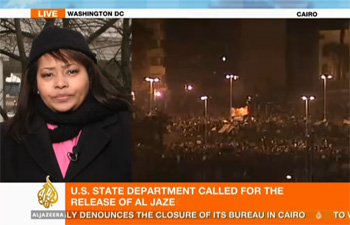 The best coverage of the uprising in Egypt is from the Al Jazeera news network which is heavily censored in the U.S. by media corporations like the cable and satellite providers.